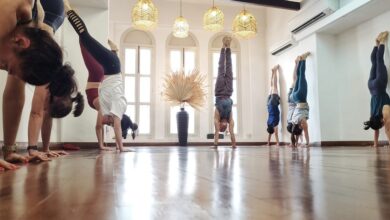
In a city where long working hours, extended screen time, and limited movement are part of daily life, injuries often develop gradually rather than from a single incident. Tight hips, weak stabilising muscles, and poor movement habits increase the risk of strains, joint discomfort, and long term mobility limitations. Structured training formats such as les mills singapore address these challenges by combining strength, intensity, and movement quality in a way that actively supports injury prevention while improving overall mobility.
Rather than focusing only on performance, well designed HIIT programming places equal importance on how the body moves, absorbs force, and recovers. This approach is especially valuable for individuals who want to train hard without compromising joint health or long term physical sustainability.
Why Injuries Are Common in Urban Lifestyles
Many injuries do not originate from exercise itself, but from lifestyle related movement deficiencies. In Singapore, prolonged sitting, limited walking, and repetitive daily habits often create muscular imbalances that increase injury risk when physical activity is introduced.
Common contributors to injury include:
-
Tight hip flexors and hamstrings from prolonged sitting
-
Weak glute and core muscles reducing joint stability
-
Limited ankle and thoracic mobility
-
Poor posture affecting spinal alignment
-
Sudden increases in activity without preparation
Without addressing these underlying issues, even moderate exercise can lead to discomfort or injury over time.
The Role of Movement Quality in Injury Prevention
Injury prevention starts with movement quality rather than movement quantity. High intensity training can be safe and effective when exercises are performed with proper alignment, control, and progression.
Key principles that support injury prevention include:
-
Balanced muscle activation around joints
-
Controlled tempo during strength movements
-
Progressive loading rather than sudden intensity spikes
-
Proper sequencing of exercises to avoid fatigue related breakdown
LES MILLS programming integrates these principles into each class, ensuring participants move efficiently even under intensity.
How Structured Warm Ups Reduce Injury Risk
A well designed warm up prepares the body for demanding movement by gradually increasing blood flow, joint lubrication, and neuromuscular activation. Inconsistent or rushed warm ups are a common cause of training related injuries.
Effective warm ups in structured classes include:
-
Gradual elevation of heart rate
-
Dynamic mobility exercises for major joints
-
Activation of stabilising muscles
-
Movement rehearsal for upcoming exercises
This preparation allows muscles and joints to respond more effectively during high intensity phases, reducing strain and improving performance.
Joint Stability and Strength Development
Joint stability is essential for injury prevention, especially during explosive or loaded movements. Stability comes from the coordinated action of muscles, tendons, and connective tissue rather than joint stiffness.
Strength based HIIT programming supports joint stability by:
-
Strengthening muscles surrounding the knees, hips, and shoulders
-
Improving proprioception and balance
-
Training controlled deceleration during movement
-
Enhancing coordination between muscle groups
Over time, this reduces excessive joint stress and improves movement confidence.
Mobility Improvements Through Dynamic Training
Mobility is the ability to move joints through their full range of motion with control. Limited mobility increases injury risk because the body compensates by overloading other areas.
HIIT based functional training improves mobility by:
-
Using multi joint movements that encourage natural range of motion
-
Alternating between strength and speed demands
-
Incorporating dynamic stretches within movement sequences
-
Promoting active mobility rather than passive stretching alone
These improvements help participants move more freely both during workouts and daily activities.
Core Strength and Spinal Protection
The core plays a critical role in protecting the spine during movement. Weak or poorly activated core muscles increase the risk of lower back discomfort and postural strain.
Core focused benefits of structured HIIT include:
-
Improved spinal stability during dynamic movement
-
Better force transfer between upper and lower body
-
Reduced load on the lower back
-
Enhanced posture during prolonged sitting
By integrating core engagement into every movement, participants develop protective strength without isolating exercises.
Reducing Overuse Injuries Through Balanced Training
Overuse injuries occur when the same muscles and joints are stressed repeatedly without adequate variation or recovery. Structured programming helps prevent this by distributing workload across different movement patterns.
Balanced training strategies include:
-
Alternating push and pull movements
-
Training both dominant and supporting muscle groups
-
Varying intensity and load across sessions
-
Encouraging rest days between intense workouts
This variety allows tissues to recover while still progressing fitness levels.
The Importance of Recovery and Cool Downs
Recovery is an essential component of injury prevention. Without proper recovery, muscles remain tight and fatigued, increasing the risk of strain.
Effective recovery practices include:
-
Gradual heart rate reduction after intense activity
-
Controlled stretching to restore muscle length
-
Breathing techniques to calm the nervous system
-
Hydration and post workout nutrition support
LES MILLS classes incorporate structured cool downs to support these recovery needs.
Adaptability for Individuals with Previous Injuries
One of the strengths of structured group training is scalability. Participants can adjust intensity and range of motion based on personal needs while still benefiting from the workout.
Adaptation strategies include:
-
Reducing load while maintaining movement quality
-
Modifying impact levels during jumps
-
Adjusting speed to prioritise control
-
Using alternative movement patterns when needed
This flexibility allows individuals with previous injuries to train safely and confidently.
Long Term Mobility Benefits for Daily Life
Improved mobility and injury resistance extend beyond the gym. Participants often notice benefits in everyday activities such as walking, climbing stairs, and lifting objects.
Daily life improvements include:
-
Reduced stiffness after long workdays
-
Better posture and balance
-
Increased confidence in movement
-
Lower risk of sudden strains during routine tasks
These outcomes support long term independence and physical resilience.
Building Sustainable Training Habits
Injury prevention is not about avoiding intensity but about managing it intelligently. Sustainable training habits allow individuals to remain active without repeated setbacks.
Healthy training habits include:
-
Consistent attendance rather than sporadic intensity
-
Listening to physical feedback and fatigue levels
-
Prioritising technique over speed
-
Incorporating recovery into weekly routines
Many members training at True Fitness Singapore adopt these habits as part of a balanced fitness lifestyle that supports both performance and longevity.
FAQ Section
Q: Can high intensity classes cause injuries if I am not flexible?
A: Limited flexibility does not automatically increase injury risk. Structured classes improve mobility gradually when movements are performed within comfortable ranges.
Q: How do I know if I should modify an exercise during class?
A: If you feel joint discomfort or loss of control, it is advisable to reduce intensity or range of motion while maintaining proper technique.
Q: Are HIIT classes suitable for people with knee concerns?
A: Many movements can be modified to reduce impact and load on the knees. Proper instruction and gradual progression help manage knee stress.
Q: How often should I stretch outside of classes?
A: Light stretching or mobility work two to three times per week supports recovery and maintains joint health alongside regular training.
Q: Can improved mobility reduce muscle soreness?
A: Yes. Better mobility improves circulation and muscle function, which can reduce post exercise stiffness and soreness.
Q: Is rest important even if I feel motivated to train daily?
A: Rest is essential for tissue recovery and injury prevention. Alternating intense days with lighter sessions helps maintain long term progress.