Street Sweeper Services: Why Professional Sweeping Matters for Modern Australian Infrastructure

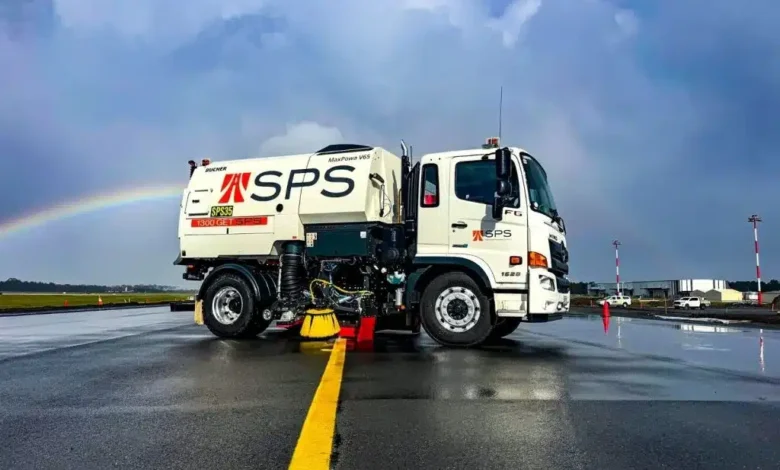
Clean roads and paved areas are about much more than appearance. Across Australia, councils, construction contractors, airports and commercial operators need effective ways to control dust, remove debris and maintain safe working environments.
Busy roads can quickly accumulate leaves, gravel, litter, sediment and material carried from construction sites. If these contaminants are left unmanaged, they can affect road safety, enter stormwater systems and create additional maintenance requirements.
Modern sweeping services combine purpose-built vehicles, experienced operators and careful scheduling to address these challenges efficiently. A professional street sweeper can work across everything from suburban streets and major infrastructure projects to construction zones, commercial precincts and specialised facilities.
Why Regular Street Sweeping Is Important
Roads naturally collect debris throughout the year. Traffic movements, weather conditions, landscaping, construction activity and everyday public use all contribute to material accumulating along kerbs and paved surfaces.
Regular sweeping can help remove:
- Leaves and organic matter
- Sand and soil
- Loose gravel
- Construction debris
- General litter
- Dust and fine particles
- Material accumulating around kerbs
Removing these materials regularly supports cleaner public spaces while reducing the chance of debris being carried into other parts of the road network.
For councils managing extensive street networks, scheduled sweeping can form an important part of broader asset maintenance programs.
Improving Safety on Roads and Worksites
Loose material can create unnecessary risks, particularly in areas with frequent vehicle, bicycle or pedestrian movement.
Gravel and construction debris on roads may reduce traction, while accumulated dust can affect visibility when disturbed by vehicles or machinery. On active worksites, keeping access roads and surrounding streets clean also helps maintain a more controlled working environment.
Professional sweeping is therefore particularly useful around civil construction, roadworks and infrastructure projects.
Regular cleaning can help prevent site material from spreading onto public roads and reduce the amount of manual cleaning required.
The Role of Sweeping in Construction
Construction sites present unique cleaning challenges because conditions can change daily.
Excavation, earthmoving, material deliveries and heavy vehicle movements may generate significant quantities of dust, soil and debris. Even when the construction activity itself occurs within a controlled site, trucks entering and leaving can transfer material onto nearby roads.
Scheduled sweeping helps contractors maintain cleaner entrances, surrounding streets and hardstand areas.
The required frequency depends on factors such as project size, weather, soil conditions and vehicle movements. Some sites may need occasional cleaning, while major projects can require daily or even more frequent sweeping during intensive stages.
Supporting Stormwater Management
One often overlooked benefit of street sweeping is its relationship with drainage.
Leaves, sediment and litter accumulating beside kerbs can eventually enter stormwater pits and drains. Large amounts of debris may restrict water movement and increase maintenance requirements.
Removing material before it enters the drainage network provides a preventative approach.
This can be particularly valuable before periods of heavy rainfall, when functioning stormwater infrastructure becomes especially important.
Sweeping should not replace dedicated pit and drain maintenance, but the two activities can work together as part of a broader pavement and stormwater management strategy.
Different Equipment for Different Environments
Not every sweeping job requires the same type of machine.
Large roads and infrastructure projects may require high-capacity truck-mounted sweepers capable of covering substantial areas efficiently. Smaller public spaces, pedestrian areas and tight-access locations can benefit from compact sweeping equipment.
Modern fleets may include features such as:
- Suction systems
- High-pressure washing equipment
- GPS tracking
- Reverse cameras and radar
- Safety lighting
- Specialised brooms
- Water systems for dust control
Selecting equipment according to the environment improves efficiency while helping minimise disruption.
Specialised Pavement Services (SPS), for example, operates truck-mounted and compact sweeping equipment for applications ranging from streets and construction projects to airports and pedestrian areas.
Why GPS Reporting Matters
Technology has changed the way large-scale sweeping programs can be managed.
GPS-equipped vehicles can provide useful information about where and when work has been completed. For councils and contractors responsible for extensive networks, this creates greater transparency and makes auditing easier.
Reporting can assist with:
- Confirming completed routes
- Reviewing service frequencies
- Monitoring operational efficiency
- Maintaining project records
- Supporting compliance requirements
Data can also help organisations refine their schedules. Rather than treating every road identically, cleaning frequencies can be adjusted according to actual conditions and requirements.
Street Sweeping for Airports
Airports present a particularly specialised cleaning environment.
Runways, taxiways and other airside areas must be kept clear of foreign object debris, commonly referred to as FOD. Even relatively small objects can present risks around aircraft operations.
Airport sweeping therefore requires appropriate equipment, experienced operators and careful coordination with operational requirements.
The focus is not simply cleanliness. It is also about maintaining safe surfaces and reducing avoidable operational hazards.
Environmental Considerations
Modern sweeping programs increasingly consider environmental performance alongside cleaning effectiveness.
Removing litter and sediment before it reaches drains can help reduce the movement of contaminants into waterways. Responsible management of collected sweeping material can further reduce environmental impact.
Equipment efficiency matters as well. Newer vehicles with lower-emission engines, water-saving systems and appropriate dust-control technology can help organisations achieve cleaning objectives while managing resource use.
SPS uses low-emission Euro 4 and Euro 5 equipment alongside waste-diversion and water-saving practices within its operations.
For councils and businesses with sustainability targets, these considerations can become important when planning long-term maintenance programs.
The Benefits of Professional Sweeper Hire
Owning specialised sweeping equipment is not always practical.
Purchasing machinery involves substantial capital expenditure, but the costs continue after acquisition. Organisations must also consider:
- Vehicle maintenance
- Operator training
- Repairs and servicing
- Equipment storage
- Compliance
- Insurance
- Fleet replacement
Professional sweeper hire can provide an alternative by allowing organisations to access suitable equipment and experienced operators when required.
This arrangement can be particularly useful for contractors whose requirements vary between projects or councils needing additional fleet capacity during busy periods.
Planning an Effective Sweeping Program
Effective sweeping begins with understanding the environment rather than simply selecting a fixed schedule.
Important considerations include:
Traffic Volume
Busy roads may accumulate material differently from low-traffic residential streets.
Surrounding Vegetation
Tree-lined areas may require more frequent attention during periods of heavy leaf fall.
Construction Activity
Roads surrounding major developments may require additional cleaning during excavation and earthmoving stages.
Weather
Heavy rainfall, dry conditions and strong winds can all affect debris accumulation.
Special Events
Large public events may require sweeping before and after crowds arrive to maintain presentation and restore surrounding areas efficiently.
A flexible program based on these factors can often provide better results than applying the same frequency everywhere.
Safety and Operator Experience
Street sweeping involves operating substantial equipment around vehicles, workers and pedestrians, making operator training an important consideration.
Professional operations may incorporate reverse cameras, warning systems, perimeter lighting and traffic-control procedures. Regular vehicle servicing also helps maintain safe and reliable performance.
Experienced operators understand how to adjust sweeping techniques according to road conditions, site access and surrounding activity.
This combination of suitable machinery and skilled operation is particularly important on busy construction sites, public roads and specialised infrastructure.
Conclusion
Professional street sweeping plays an important role in maintaining Australia’s roads, construction projects, airports and public spaces. Effective programs help remove debris, support safer surfaces, reduce the amount of material entering drainage systems and maintain cleaner infrastructure.
Technology and modern equipment have also made sweeping more measurable and adaptable. GPS reporting, specialised machines and flexible scheduling allow councils and contractors to tailor services to real operating conditions rather than relying on a one-size-fits-all approach.
Whether managing an active construction project, an extensive council road network or a specialised facility, regular professional sweeping can form a valuable part of preventative infrastructure maintenance. The result is not simply a cleaner surface, but a safer, better-managed environment with maintenance practices designed for long-term performance.