The Art of Illusion: What Are Faux Wall Panels?
Understanding the Materials: Wood, Stone, and Beyond
Faux wall panels are innovative wall treatments designed to imitate the appearance of more expensive materials, such as wood, stone, and brick, without the associated costs and installation challenges. These panels are typically made from a variety of materials including polyurethane, PVC, and composite materials that effectively mimic the textures and visual appeal of natural products. For instance, wood faux panels might reproduce the grains and knots of real wood, while stone panels can replicate the unique variations found in natural stone surfaces. One significant advantage of faux panels lies in their lightweight design, allowing for easier handling and installation compared to heavier natural materials. Moreover, these panels are often designed to be water-resistant, making them suitable for various environments including kitchens, bathrooms, and basements. Beyond aesthetic considerations, a range of manufacturers have also begun exploring eco-friendly materials in the production of faux wall panels, such as recycled wood fibers or water-based finishes, ensuring that longevity and style do not come at the expense of environmental responsibility.
How Faux Panels Differ from Traditional Wall Treatments
Traditional wall treatments such as painting, wallpapering, or tiled surfaces often lack depth and texture, making them singular in aesthetic appeal. In contrast, faux wall panels provide a three-dimensional effect that adds character and sophistication to any space. Unlike paint, which must be frequently reapplied, faux panels are largely durable and resistant to wear, thus reducing maintenance needs over time. Moreover, installation processes highlight stark differences; faux panels can often be installed without professional assistance, whereas traditional wall treatments may require considerable prep work, primer, or specific tools for optimal application. The versatility of faux wall panels gives homeowners a broader spectrum of customization, ranging from a rustic farmhouse feel with reclaimed wood styles to a sleek modern design with stone or metallic finishes. Finally, the cost factor cannot be ignored. Faux panels offer a budget-friendly option that captures the aesthetic allure of pricier materials, making luxury attainable for a wider audience. This democratization of design allows individuals to curate personalized spaces without the need for substantial financial investment.
Environmental Impact and Sustainability of Faux Wall Panels
As sustainability becomes an increasingly crucial consideration in home design, faux wall panels offer an appealing alternative to traditional materials that may have larger carbon footprints. Many faux panels are produced using recycled or easily renewable materials, significantly reducing the demand for virgin resources. Moreover, the manufacturing processes associated with faux wall panels often consume less energy compared to those needed to quarry natural stones or mill timber, further decreasing environmental impacts. Additionally, opting for faux panels can lead to lower transportation emissions due to their lighter weight, making them easier to transport and install. Consumers can also shop for brands that prioritize sustainability by choosing products manufactured with water-based adhesives and finishes that emit low volatile organic compounds (VOCs). These materials contribute to healthier indoor air quality, aligning with modern demands for wellness-oriented home environments. Ultimately, by selecting faux wall panels that emphasize environmental responsibility, homeowners can enjoy the aesthetic benefits of design versatility while also participating in the movement towards sustainable living.
Choosing the Perfect Style: Faux Wall Panels for Every Aesthetic
Modern Minimalism vs. Rustic Charm: Finding Your Vibe
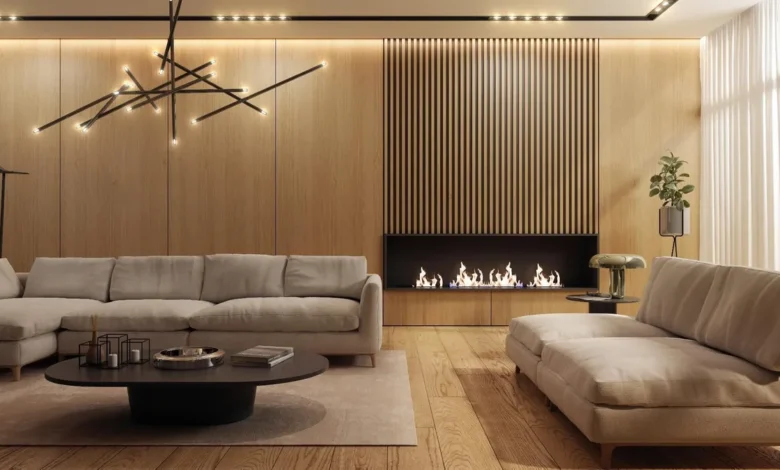
When it comes to interior design, aligning aesthetics with personal taste is paramount. Faux wall panels can harmoniously accentuate diverse styles, from modern minimalism to rustic charm, each offering its own unique advantages. In modern minimalist settings, faux panels can serve as understated statement pieces, presenting a polished finish with clean lines. Consider sleek, smooth faux panels that mimic materials like polished concrete or smooth stone to deliver elegance without overwhelming the space. On the other side of the design spectrum, rustic charm embraces more organic, textured styles. Here, faux panels can replicate reclaimed wood or rough-hewn stone, infusing spaces with warmth and authenticity. Such designs evoke nostalgia while ensuring practical advantages, as they require significantly less upkeep than traditional materials. Transitional spaces are popular for individuals wanting a combination of modern and rustic aesthetics. Combine a smooth, understated faux panel with exposed wood or brick elements for a unique blend that showcases the best of both worlds. By thoughtfully selecting styles against the backdrop of your home’s architecture and interiors, you can create a cohesive aesthetic that is not only inviting but uniquely personal.
Exploring Patterns: Textured, Geometric, and Organic Designs
Faux wall panels offer a vast selection of patterns and designs, enabling homeowners to express their individuality through texture and form. Textured panels can turn ordinary walls into discussion pieces, offering tactile sensations that invite touch and interaction. Imagine an entryway featuring deeply grooved wood-effect panels or a living room adorned with stone-like surfaces that exude rustic elegance. Geometric designs add a layer of contemporary flair, appealing to the modern sensibility. The use of angular shapes or repeating patterns can create a dynamic visual impact, often serving as the backdrop for furniture and décor selection. Geometric faux panels enhance visual interest without being overwhelming, establishing focal points and guiding the eye throughout the room. Organic designs are generally softer and tend to mimic the randomness found in nature, such as the flowing patterns of water or the irregular shapes of rocks. These can create serene atmospheres, ideal for spaces meant for relaxation, like bedrooms or home offices. The choice of design, surface texture, and panel configuration can dramatically influence the mood and energy of a room. By thoughtfully selecting faux wall panels that align with your desired aesthetic, you can transform any space into a reflection of your style.
Color Psychology: How Shades Influence Your Space
Color plays an integral role in interior design, influencing not only the visual appeal but also the emotional responses elicited by spaces. When selecting faux wall panels, understanding color psychology can vastly enhance the intended atmosphere of your environment. Warm colors such as reds, oranges, and yellows tend to stimulate conversation and energize social areas, making them ideal choices for kitchens or living rooms. In contrast, cool colors like blues, greens, and purples are associated with tranquility and relaxation, making them well-suited for bedrooms and study areas. Additionally, neutral shades, including grays, beiges, and whites, augment the flexibility of interior design, allowing for seamless integration with various other design elements and providing a calming background. Utilizing neutral faux panels can also serve as an excellent complement to bolder décor choices. Homeowners should also consider how lighting can impact color perception within a space. Natural sunlight can enhance the vibrancy of hues, while artificial lighting may wash them out or create an entirely different appearance. Experimenting with samples under different lighting conditions can provide insights crucial in making the best color choices for your faux wall panels, ensuring that they contribute positively to your living environment.
Installation Insights: Transforming Your Walls with Ease
DIY or Hire a Pro? A Look at Installation Options
The decision between a DIY installation versus hiring a professional can significantly impact both the process and outcome when working with faux wall panels. For those who enjoy hands-on projects and have basic tools, installing faux panels can be a rewarding experience. Many panels come with straightforward installation instructions and can utilize adhesive, reducing the need for complex equipment. However, it is important to assess your own skill level and the complexity of the design chosen. Intricate patterns or multi-layered installations might call for professional assistance to ensure both precision and aesthetic appeal. Hiring a professional may also save time, as experienced installers can navigate potential challenges with ease, ensuring the installation process goes smoothly. Moreover, professional installation can provide peace of mind regarding warranties and guarantees, as installers are often familiar with manufacturer requirements, further safeguarding your investment. Ultimately, the decision hinges on your comfort level with DIY projects and the specific vision you have for your space.
Essential Tools and Tips for a Flawless Fit
Embarking on a DIY installation of faux wall panels requires an understanding of key tools and techniques to ensure a flawless, seamless finish. Essential tools typically include a tape measure, level, utility knife for trimming panels, and a caulking gun for adhesive application. Additionally, having a square and a pencil handy for marking cuts can lead to precise panel placements and alignments. One crucial tip is to acclimate faux panels before installation. Allowing panels to adjust to the room’s temperature and humidity is vital for proper adhesion and to prevent future expansion or contraction. It is also advisable to plan your layout beforehand, visualizing panel placements to minimize waste and ensure optimal design flow through the space. During installation, always start from the bottom up and ensure each panel is level. Using spacers can help with consistent gaps between panels where needed, and ensuring that cuts are clean can prevent fraying or damage. Finally, take your time and double-check measurements before making any cuts to achieve a professional-level finish.
Common Pitfalls and How to Avoid Them
Even experienced DIY enthusiasts can encounter hurdles when installing faux wall panels, and being aware of potential pitfalls can save both time and frustration. One common mistake is underestimating the importance of surface preparation; walls must be clean, dry, and free from damage to guarantee proper adhesion and a straight look. Another common issue is negating expansion gaps; faux panels, like many materials, may expand and contract due to temperature fluctuations. Leaving adequate gaps around the edges ensures that your installation remains visually appealing and functional long term. Misalignment is yet another potential pitfall, where panels might not line up correctly, resulting in an uneven appearance. Taking time to plan your layout and use levels consistently will mitigate this risk. Lastly, avoiding final inspections during the installation process can lead to costly flaws; regularly step back to evaluate progress, ensuring that you stay true to your initial vision and aesthetic goals.
Maintenance and Longevity: Keeping Your Faux Walls Stunning
Cleaning Tips: Simple Care for Lasting Beauty
Maintaining the beauty of faux wall panels is simple and requires minimal effort, ensuring the longevity of your installation. Most faux panels can be cleaned with a soft cloth dampened with mild soap and water, eliminating dust and grime that may accumulate over time. It is essential to avoid harsh chemicals or abrasive materials that can scratch or damage the finish of the panels. For specific materials like polyurethane or PVC, a gentle cleaner or a solution of vinegar and water can work wonders. Additionally, when cleaning, it’s advisable to work in small sections to prevent streaking or excessive water exposure, which could affect adhesive bonds. Regular dusting should form part of your cleaning routine, particularly in high-traffic areas where panels may collect dirt more readily. Routinely scheduled cleaning ensures that your faux panels remain stunning and showcase their design, aiding in the overall perception your living space conveys.
Repairing Damage: Solutions for Scratches and Dents
While faux panels are designed to be durable, life can still lead to scratches or dents, primarily in high-traffic areas or homes with children or pets. Fortunately, repairing faux wall panels is often simpler and more cost-effective than dealing with damage to traditional materials. For minor scratches, a touch-up marker that matches the panel color can restore the appearance quickly. If the scratch is deeper, filling it with a compatible putty and repainting will help maintain aesthetics. For dents, applying heat gently with a hairdryer can help the material expand back into shape; however, this technique may vary based on the specific material composition of your faux panels. In the event of significant damage requiring replacement, many faux panels are modular, allowing for isolated sections to be swapped out without impacting the entire installation. Keeping a few extra panels, as spare parts can simplify your repair process and maintain visual cohesiveness.
When to Update or Replace: Signs Your Faux Panels Need a Refresh
Even the most well-maintained faux panels may require an update or replacement over time, and being attuned to warning signs can help ensure that your interiors remain fresh and inviting. Visible signs of wear and tear such as fading colors, permanent stains, or significant scratches are indicators that it might be time to consider updating. Additionally, if you find that your faux panels no longer match your evolving aesthetic or fail to complement new furnishings, it could be time for a change. Trends in home design shift frequently, and adapting your interiors to reflect your taste can significantly enhance the enjoyment of your space. Lastly, consider the overall condition and structural integrity of your faux panels. If you notice any areas where panels have detached or become misshapen beyond simple repair, replacement might be the best course of action to preserve the beauty and functionality of your walls. Embracing updates as a part of the home’s lifecycle can lead to a space that continuously feels modern and invigorating. In conclusion, faux wall panels stand at the intersection of aesthetics, affordability, and sustainability, providing a transformative solution for spaces of all styles. With informed choices on materials, installation, and maintenance, you can realize your design vision while contributing positively to your living environment.