Home energy use often forces a choice between comfort and efficiency. Heating and cooling systems are built to keep homes comfortable, while efficiency efforts usually focus on reducing consumption. Smart home technology helps close that gap by coordinating how energy is used across the house, from climate settings to major appliances and storage. Freedom Forever Solar Reviews show how connected solar systems can give homeowners more control and clearer visibility into energy use.
As households adopt connected devices, expectations around comfort have evolved. Homeowners can adjust temperature, lighting, and schedules based on daily routines, not guesswork. Energy coordination helps these systems work together, aligning comfort with available energy rather than forcing tradeoffs. The result is a home that stays comfortable while using energy more efficiently, without feeling restrictive.
Coordination Changes How Homes Operate
Traditional homes treat energy systems independently. Heating, cooling, lighting, and appliances operate based on separate controls, and energy use often reflects habit rather than context. Smart homes introduce a different structure. Coordinated platforms link systems through shared data, allowing solar production, temperature, occupancy, and appliance activity to inform how energy is distributed.
This coordination allows homes to respond as unified systems. Instead of competing for power, individual systems adjust in relation to one another. Comfort and efficiency move closer together through shared awareness, reducing friction between systems and supporting smoother daily operation.
Heating and Cooling Guide Energy Demand
Heating and cooling account for a significant share of household energy use. Smart climate systems rely on coordination to manage this demand effectively while maintaining consistent comfort throughout the home.
Solar integration adds valuable context. When production increases, climate systems can gradually adjust indoor temperatures, preconditioning spaces using available energy. This approach supports comfort without abrupt changes later in the day. Coordination also limits unnecessary operations. Climate systems respond to occupancy and time of day, keeping energy use measured while comfort remains steady.
Appliances Respond to Energy Availability
Household appliances play a supporting role in coordinated energy use. Dishwashers, laundry equipment, and water heaters operate at different times throughout the day. Smart platforms coordinate their operation alongside climate needs and solar production.
When energy availability is high, appliances operate without competing with heating or cooling systems. When production slows, nonessential tasks adjust or shift automatically. This coordination keeps comfort systems prioritized. Homes operate smoothly without requiring constant behavioral changes, and efficiency improves through timing rather than restriction.
Occupancy Informs Comfort Decisions
Occupancy data adds precision to energy coordination. Motion sensors and usage patterns show when and where spaces are actively used. Smart systems rely on this information to guide comfort settings across the home.
Heating and cooling focus on occupied areas. Lighting responds to presence. Appliances align with household routines. Solar production provides the energy context that supports these decisions. Comfort becomes targeted rather than generalized, allowing homes to feel responsive without directing energy toward unused spaces.
Energy Storage Strengthens Balance
Battery storage enhances coordination by adding flexibility. Stored energy supports comfort systems when solar production slows, particularly during evening hours or periods of higher demand.
Smart platforms manage storage alongside climate and appliance use. Batteries discharge when demand rises and recharge when production exceeds use. Storage extends coordination beyond daylight hours, allowing comfort and efficiency to remain aligned throughout the day and into the evening.
Visibility Supports Confident Coordination
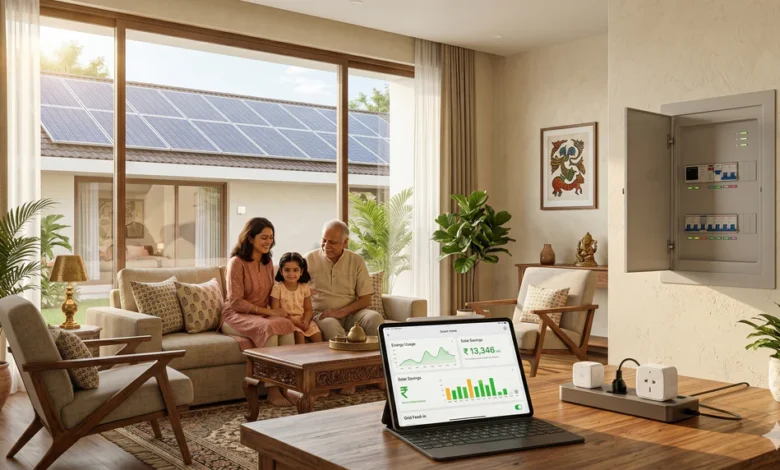
Understanding how coordinated systems operate builds confidence. Monitoring tools show how energy flows across heating, cooling, appliances, and storage. Homeowners can observe how adjustments influence both comfort and efficiency in real time.
Freedom Forever reviews often highlight communication and access to system information, noting the value of clarity around how coordinated controls manage comfort and energy use throughout the day. These observations reflect how transparency supports confidence. Seeing systems work together reinforces comfort with coordinated energy management.
Automation Reduces Daily Effort
Automation plays a central role in maintaining balance. Coordinated systems operate based on predefined preferences rather than constant manual input.
Climate settings adjust automatically in response to production and occupancy. Appliances operate within energy-aware windows. Storage responds to demand without oversight. Automation allows coordination to continue even when residents are focused on daily activities, keeping comfort and efficiency aligned with minimal effort.
Comfort Without Excess
Efficiency is sometimes associated with sacrifice, but coordinated systems shift that perception. Rather than limiting comfort, these systems focus on optimization.
Homes reach desired temperatures gradually. Lighting remains appropriate for activity. Appliances operate predictably. Energy use aligns with comfort instead of competing against it. Efficiency becomes a natural outcome of coordination rather than a separate objective imposed on daily life.
Adapting to Changing Conditions
Conditions inside and outside the home change continually. Weather patterns shift, occupancy varies, and routines evolve. Coordinated systems respond dynamically to these changes.
Solar production fluctuates with daylight and weather. Climate systems adjust incrementally. Appliances rescheduled as needed. Storage fills gaps. This adaptability supports steady comfort and avoids sharp reactions to change.
Long-Term Comfort Planning
Energy coordination also supports long-term planning. Monitoring data reveals how comfort needs shift across seasons and life stages.
Homeowners gain insight into heating and cooling demand over time. This information supports decisions related to insulation, system upgrades, or additional storage. Planning reflects lived experience rather than assumptions, keeping comfort central as systems evolve.
Reducing Energy Waste Through Alignment
Energy waste often occurs when systems operate independently. Heating runs while spaces are unused. Appliances operate during peak demand. Lighting remains active in empty rooms.
Coordination addresses these inefficiencies by aligning system behavior. Energy use reflects real needs rather than default operation. Waste decreases through alignment rather than restriction, allowing homes to operate intentionally without feeling constrained.
A Balanced Approach to Modern Living
Smart homes demonstrate that comfort and efficiency do not need to compete. Through energy coordination, heating, cooling, appliances, and storage work together to support daily life.
Solar integration provides the energy context that enables this balance. Systems respond to availability and demand in real time. Homes feel comfortable, responsive, and efficient. Energy coordination supports daily living rather than interrupting it.