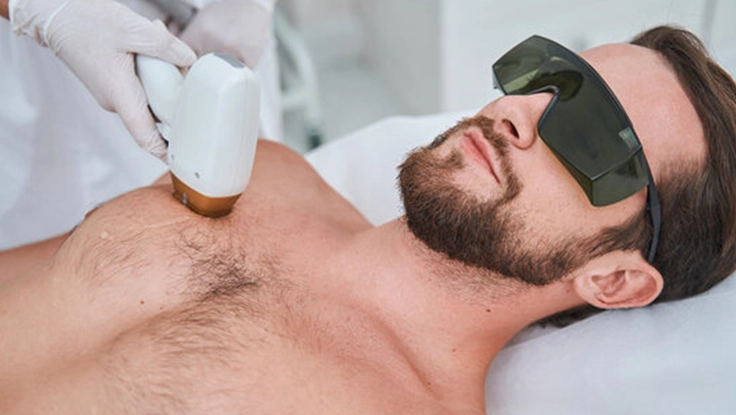
Male grooming has shifted well beyond haircuts and beard trims. In clinics across London, laser hair removal is no longer treated as a niche service for a small group of image-conscious clients. It is becoming a practical choice for men who want to cut down on shaving, deal with irritation, or simply feel more comfortable in their own skin. The reasons are not always cosmetic in the narrow sense. For some, it is about saving time before work. For others, it is tied to sport, hygiene, confidence, or the frustration of repeated ingrown hairs.
Medspa ‘s leading laser hair removal specialist says that many men now approach treatment with a very clear goal rather than a vague interest in aesthetics. The specialist notes that clients asking about men laser hair removal London often want a structured plan for reducing thick growth on the back, chest, neck or beard line, and they tend to value straightforward advice on what can realistically be achieved over dramatic promises.
That shift matters because it reflects a broader change in how men use beauty and skin services. The idea that treatments must be hidden or justified is fading. In its place is a more matter-of-fact attitude: if a treatment solves a regular problem and fits modern routines, men are willing to consider it. In London especially, where workdays are long and appearance can shape confidence in both social and professional settings, convenience and results carry real weight.
The most useful way to understand this trend is to look at why men are actually booking appointments. The motivations are practical, varied and often more sensible than people assume. Here are five of the main reasons clinicians say demand continues to grow.
Reason 1: They want to reduce daily maintenance
The first and most common reason is simple: many men are tired of constant upkeep. Shaving the face, neck, chest or body may seem manageable as an occasional task, but repeated over months and years it adds up. Men with fast or dense regrowth often feel they are stuck in a cycle of shaving, stubble, irritation and repeat. Waxing can last longer, but not everyone wants the discomfort, regular salon visits or the wait for hair to grow back between appointments.
Laser hair removal appeals because it reduces that burden. It is not usually a one-off solution, and good clinics make that clear from the start. A course of sessions is normally needed, followed by maintenance depending on the treatment area, hair type and hormonal factors. Even so, many men feel the trade-off is worthwhile because the long-term reduction can make grooming far easier.
This is especially relevant in London, where professional schedules are tight and commuting can consume a large part of the day. Men who are up early for work or travel frequently often see shaving as one more repetitive task they would prefer to cut back. A cleaner neckline, reduced shoulder or back hair, or less chest regrowth can mean less effort overall without requiring constant attention.
There is also a psychological benefit in consistency. Men who shave sensitive areas may notice that results only look good for a short window before shadow or uneven regrowth returns. Laser treatment offers a more stable appearance over time. For clients who like a neater look but do not want to organise their week around maintenance, that predictability is a major factor.
Clinicians often say this is where expectations need to stay grounded. The aim is usually significant reduction and easier management, not perfection. Men who understand that from the start tend to be the most satisfied because they judge success by how much simpler their routine becomes. In many cases, that practical improvement is exactly what prompted the booking in the first place.
Reason 2: They are dealing with ingrown hairs and shaving irritation
For a large number of men, laser hair removal begins as a problem-solving treatment rather than a style decision. Ingrown hairs, razor bumps and post-shave irritation can be persistent, uncomfortable and difficult to manage. They are especially common on the neck, where coarse facial hair meets sensitive skin and frequent shaving creates repeated friction. Men who need to look clean-shaven for work may find that their skin never fully settles before the next shave.
This issue is not limited to the beard area. Shoulders, chest, back and intimate zones can also develop ingrown hairs after shaving or waxing. In some cases, the bumps are mild but constant. In others, they can become inflamed, sore and noticeable enough to affect confidence. Men may try changing razors, using exfoliating products or spacing out hair removal, but these adjustments do not always solve the root problem if the hair itself is thick, curly or prone to growing back into the skin.
Laser treatment can help by reducing the amount and density of hair that returns. With fewer hairs growing back, there are fewer opportunities for them to become trapped. That does not mean every case clears overnight, but it explains why clinics often see men who have already tried several basic remedies before deciding on treatment. They are not chasing a trend. They are trying to stop a recurring skin issue that affects comfort and appearance.
For many clients, the improvement in skin calmness becomes as important as the hair reduction itself. Less redness, fewer bumps and fewer emergency fixes before a meeting or event can make the treatment feel worthwhile quite quickly. In that sense, laser hair removal sits as much within skin management as grooming.
Reason 3: Sport, fitness and body confidence play a bigger role than people think
A third reason men book laser hair removal is connected to sport, exercise and body presentation. This does not only apply to elite athletes. Gym-goers, swimmers, cyclists, runners and men who spend a lot of time in fitted sportswear often prefer reduced body hair for practical reasons. Some like the cleaner feel during training. Others find it easier to apply sports tape, monitor muscle definition or simply feel more comfortable in changing rooms, on holiday or at the pool.
In London, where boutique fitness culture, commuting by bike and year-round gym memberships are part of everyday life for many people, this motivation is increasingly common. Men may start with one small area, such as the shoulders or upper back, because it is difficult to manage alone. Once they see the benefit, they may expand treatment to the chest, abdomen or intimate areas. The decision is usually less about chasing an extreme ideal and more about bringing body care into line with the rest of their routine.
Confidence is a significant part of this, even if men do not always phrase it that way. Feeling self-conscious about visible back hair, heavy shoulder growth or persistent stubble on the torso can affect how comfortable someone feels in a T-shirt, at the gym or on holiday. That discomfort may be minor in outward terms, but it still shapes behaviour. Men may avoid certain clothes, decline social plans or feel less at ease in situations where their body is more visible.
Laser hair removal offers a more durable option than shaving before a holiday or waxing before a special occasion. For men who want to feel prepared without last-minute effort, that matters. It also gives a sense of control. Instead of reacting to regrowth, clients can gradually reduce the issue over time.
The phrase men laser hair removal London may sound like a search term rather than a personal concern, but in practice it often reflects these ordinary motivations: wanting to feel more comfortable while training, dressing, travelling or being seen. The point is not that all men should want less hair. It is that many now feel free to make that choice without treating it as unusual.
Reason 4: Professional image and personal presentation are part of the decision
Another reason men book treatment is the way appearance functions in modern working and social life. This is not about imposing a narrow standard of how men should look. It is about the fact that grooming choices can influence how polished, tidy or put-together someone feels. For men whose work involves close contact with clients, media appearances, hospitality, corporate settings or public-facing roles, that feeling can carry genuine importance.
The beard line and neckline are prime examples. Some men want to keep facial hair but struggle to maintain a sharp edge with ordinary shaving. Others are prone to neck shadow and irritation that leaves the skin looking uneven by the end of the day. Laser treatment in carefully selected areas can reduce the amount of hair that disrupts the shape, making the whole look easier to manage. The same applies to upper cheek lines, ears or other small zones where regular trimming becomes tedious.
Body areas matter too. Men wearing open-collar shirts, fitted uniforms or occasionwear sometimes prefer reduced chest or shoulder hair for a cleaner finish. The motivation is often no more dramatic than wanting clothes to sit better or feeling more confident in formal settings. In a city like London, where work and social calendars can overlap in a single day, treatments that simplify presentation can be appealing.
There is also a generational shift in how men think about grooming services. Younger clients may have fewer reservations because they have grown up in a culture where skincare, barbering and aesthetic maintenance are discussed more openly. Older clients are increasingly following for a simpler reason: they realise the treatment is practical and clinically routine. Once that barrier drops, booking an assessment becomes no more remarkable than visiting a dentist or dermatologist.
A Medspa Beauty Clinic based specialist says men usually respond best when the consultation stays clear and realistic, focusing on hair reduction patterns, skin type, patch testing and aftercare rather than sales language. That approach suits a broad audience because most clients do not want beauty jargon. They want to know what the treatment does, how long it takes, whether it will suit their skin and what kind of result they can reasonably expect.
This practical framing helps explain why the market continues to expand. Men are not necessarily becoming more vain. Many are simply becoming more direct about using available treatments to support the image they want to maintain.
Reason 5: They are more informed, and clinics now feel more accessible
The final reason is a combination of better information and easier access. Men are more likely to book laser hair removal now because they understand it better than they did a decade ago. There is wider awareness of how treatment works, which areas can be targeted and why a consultation matters. Clinics have also become more experienced in treating male hair patterns, which differ from female patterns in density, hormonal influence and common treatment zones.
This matters because uncertainty used to be a major barrier. Men often assumed the process would be embarrassing, overly cosmetic or not designed with them in mind. In reality, many clinics now see male clients routinely for areas such as the back, shoulders, beard line, neck and chest. Consultations are generally structured around skin type, hair colour, treatment suitability and expected reduction rather than image-based persuasion. That makes the service feel more accessible and less loaded.
Digital research plays a role as well. Before booking, many men read clinic pages, compare treatment areas and look for factual answers about discomfort, downtime and session spacing. They often arrive at the clinic with specific questions and a narrow goal. Someone may only want to tidy the upper back before summer or reduce the neck area to ease shaving. That clarity can make treatment feel manageable rather than overwhelming.
The local context also matters. London offers a large clinic market, but that does not mean men are careless about where they go. They tend to look for professionalism, patch testing, hygiene standards and clinicians who are comfortable discussing male treatment patterns without awkwardness. Trust is central. A poor consultation or exaggerated promise can put clients off quickly, while a straightforward explanation often has the opposite effect.
As demand grows, the language around treatment is changing too. Instead of treating it as a drastic transformation, clinics increasingly present it as one option within normal grooming and skin care. That may be the most important shift of all. The more ordinary and evidence-led the service feels, the easier it is for men to consider whether it fits their needs.
What this says about modern male grooming in London
Taken together, these reasons show that laser hair removal for men is no longer a novelty service or a private indulgence. In London, it sits at the intersection of grooming, skin management, convenience and confidence. Men book because they want to save time, reduce irritation, feel more comfortable in sport and clothing, maintain a cleaner appearance, or solve a persistent problem that shaving and waxing have not fixed.
The subject becomes clearer when stripped of assumptions. Most male clients are not looking for extreme change. They are looking for less friction in daily life. That may mean fewer ingrown hairs on the neck, less effort managing back hair, or greater confidence at the gym and on holiday. Those are ordinary motivations, which is exactly why demand has become broader.
It also explains why the treatment now appeals across age groups and professions. Once laser hair removal is understood as a practical service rather than a statement, it fits neatly into contemporary routines. Men already invest in trainers, dental care, skincare, barbering and fitness memberships when those things improve how they look or feel. Laser treatment follows the same logic for clients who are suitable candidates and want a longer-term solution.
The phrase men laser hair removal London captures a growing area of demand, but the real story is more personal than that. It is about men choosing treatments with a specific purpose and expecting honest guidance in return. Clinics that recognise this tend to speak less about trends and more about outcomes, suitability and maintenance.
That is probably why clinicians continue to see steady interest. The treatment answers a practical need, and practical need is what usually drives lasting change in beauty services. In that respect, the rise in male bookings says less about fashion and more about a quiet shift in priorities: fewer repetitive tasks, fewer skin problems, and more control over everyday presentation.